
Sixth place, and what a small budget can buy for one season
The 2010 season put Nalchik above clubs spending several times what they did. It was not repeated.
spartak-nalchik.com — football in the North Caucasus, and the republic it is played in.

Spartak Nalchik reached the Russian Premier League in 2006 from a city with no top-flight history, and stayed six years.
Sixth place in 2010 put a ground holding about fourteen thousand above clubs spending several times what Nalchik did. It was not repeated.
Six seasons, in three numbers
Highest finish
6th
2010. The best any club from the North Caucasus republics has managed, and a Europa League preliminary round.
Six Seasons
The 2010 season put Nalchik above clubs spending several times what they did. It was not repeated.
Rivals
Three fixtures inside a few hundred kilometres, each read locally before it was read as a league game.
Vladikavkaz

Alania Vladikavkaz took the Russian title in 1995, which set the terms for every North Caucasus fixture that followed.
Makhachkala

Anzhi Makhachkala's spending years changed what a regional fixture meant, briefly.
Grozny

Terek Grozny played through and after the wars, and the meeting with Nalchik was read regionally rather than as a league game.
Winter Football
The Russian break has historically run from late November into early March. At 500 metres, under the main range, it runs longer than the calendar says.
The Ground
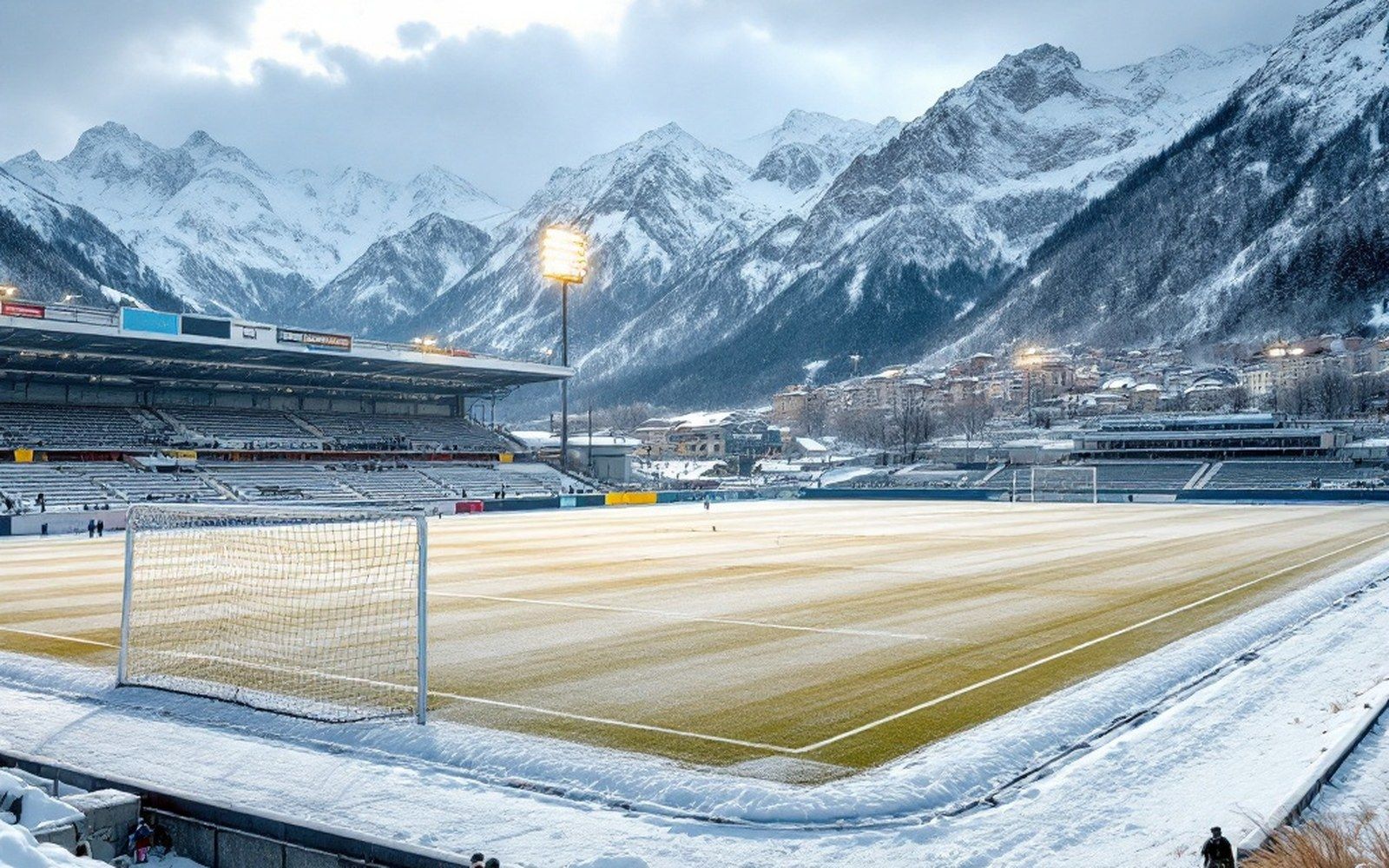
The Russian calendar carries a long winter break, and where a club sits on the map decides how long its own version of it lasts.
The Ground

Cold-republic clubs argued for artificial surfaces because a natural pitch cannot recover between March fixtures at that altitude.
The Ground

Spartak Stadium in Nalchik held the club's top-flight years with a capacity and a layout inherited from Soviet municipal football.
Winter Football

Soviet football's structure ended in 1992, and every club in the region had to be re-placed in a new pyramid.
Winter Football

The Russian Cup remains the route by which a second-tier side meets a first-tier one in front of a full ground.
Winter Football
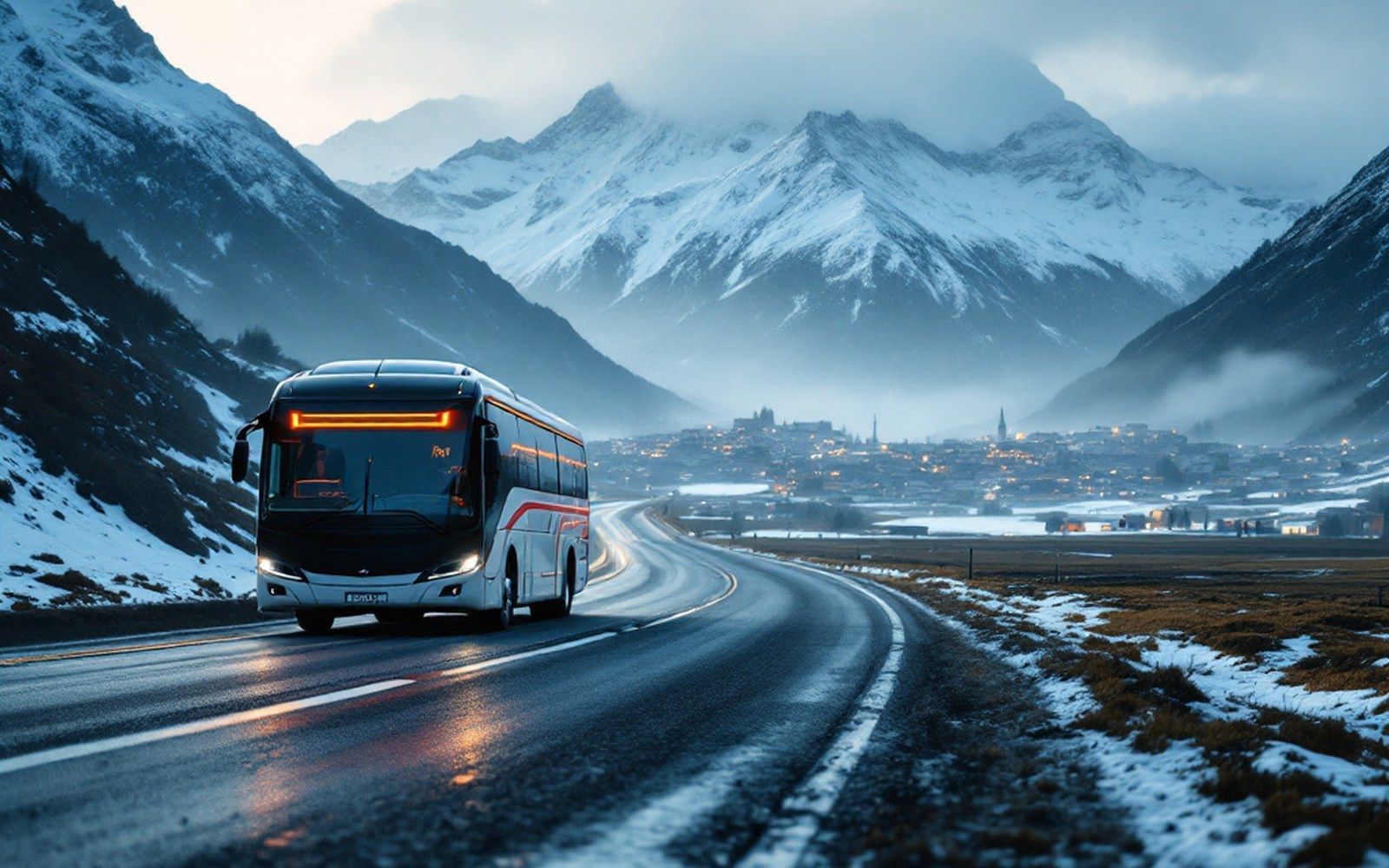
A North Caucasus club's travel is a budget line before it is a fixture, and the distances are continental.
Supported by
The Republic
Elbrus

Elbrus rises to 5,642 metres above Kabardino-Balkaria, and the Baksan valley below it is the route everyone uses.
Baksan valley

The Baksan runs from the glaciers down past the villages that supply the mountain, and it is the republic's spine.
Chegem gorge

The Chegem falls drop through a limestone gorge that the road runs directly inside.
Peoples
More Circassians live outside the Caucasus than in it, and the Balkars were deported in a single operation in March 1944.
Circassians

The Circassians were dispersed in the nineteenth century, and the diaspora is larger than the population that remained.
Balkars, 1944

In March 1944 the entire Balkar population was deported to Central Asia. They were permitted to return in 1957.
The mineral-water towns

Pyatigorsk and the mineral-water towns drew Russian society, and Lermontov wrote the Caucasus that most readers still carry.
Archive